

Neck Pain’s Hidden Impacts: How It Disrupts Brain–Body Communication
Neck pain is more than stiffness. It disrupts nervous system signals, weakens balance, and increases fall risk. Discover how chiropractic care restores brain–body communication.
Scientists know that your brain uses sensory information from your muscles and joints around your spine to help control your balance and posture, and to make sure that you’re moving properly. If that information from your spine isn’t very good, your brain will struggle to control what’s going on in your body.
People with neck pain have poor communication between neck and brain
Sensorimotor Function
When your brain takes sensory information and uses it to help guide movement and control muscles we call this sensorimotor function. Research has shown that people with neck had poor communication between their neck and their brains which meant that they weren’t as good at controlling their balance and other types of sensorimotor function.

Chiropractic Research Study
Scientists at the Centre for Chiropractic Research at the New Zealand College of Chiropractic have even shown that chiropractic care for older adults improves specific forms of sensorimotor function that is very relevant to falls prevention. For example, they have shown that chiropractic care for older adults improves how accurately your brain knows where your ankle joint is, even though you have got your eyes closed.
Explaining Neck Pain
Neck pain is very common throughout the world.1 Up to half of all people around the world suffers from neck pain at some stage each year.2-5 For some people, one big problem with neck pain is that it just keeps coming back, or becomes chronic, and may even increase their risk of suffering from a fall.2 4 6 7
Scientists know that your brain uses sensory information from your muscles and joints around your spine to help control your balance and posture and to make sure you’re moving properly.1,2
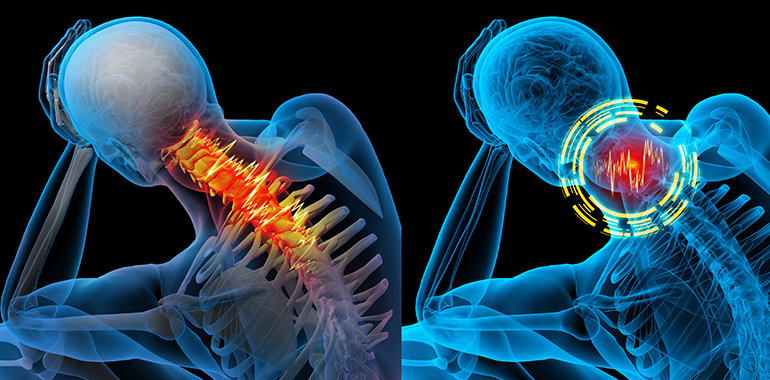
When your brain takes sensory information and uses it to help guide movements and control muscles we call this sensorimotor function.8 One particular study looked at whether neck pain has an impact on proper sensorimotor function in older people.7
In this study, the researchers ran tests of sensorimotor function, like how well the study participants controlled the movement of their eyes and how good their balance was, and they took into account their age and other conditions that they suffered from.7 They found that older people with neck pain were worse than those without neck pain at most of the tests that they performed.7 For example, the people with neck pain couldn’t control their eyes as well and their balance wasn’t as good as people who had no pain.7
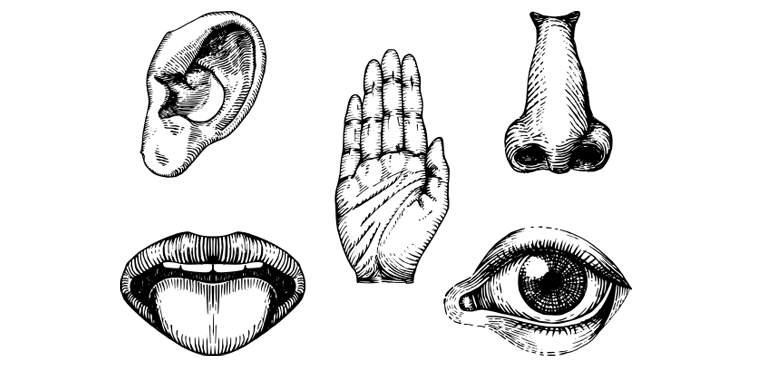
The researchers thought that in people with neck pain they had poor communication between their neck and their brain, which meant that they weren’t as good at controlling their balance and other types of sensorimotor function.7 Remember that your brain uses sensory information from your muscles and joints around your spine to help control your balance and posture and to make sure you’re moving properly.9-13
So, if that information from your spine isn’t very good, your brain will struggle to control what’s going on in your body. The scientists who did this study were saying that the altered information from the neck of these older people who had neck pain was disturbing their brains’ ability to make sense of other sensory information. This in turn potentially affected their balance and increased their risk of falling.
Your brain uses sensory information from the muscles and joints around your spine to help control your balance and posture.
Chiropractic Studies
We know from many research studies that for people with neck pain, chiropractic care is an effective care option, and it’s also cost-effective and safe compared to other common treatments for neck pain.14-18
But there’s more to chiropractic care than just helping people with their pain. Researchers from New Zealand have published research studies over many years that suggest that chiropractic care improves the accuracy in the communication between your spine and brain, which makes it easier for your brain to accurately tell what is going on in and around your body.1 And that the spinal dysfunction does not need to be so bad that you are in pain for your brain to be disturbed,11 or for gentle spinal adjustments to help improve your brain’s ability to accurately know what is going on.11
These scientists have even shown that chiropractic care for older adults improves specific forms of sensorimotor function that are very relevant to falls risk.19 In one study, they looked at the effects of 12 weeks of chiropractic care on sensorimotor function in older adults.
The types of sensorimotor function they looked at were important measures of brain/body communication that were related to balance and falls risk. What they found was that chiropractic care in these older adults improved how accurately their brain knew what their ankle joint was doing even when their eyes were closed.19
They found that the older adults could take a significantly faster step after receiving chiropractic care and it also helped their brains to process information from their eyes and ears at the same time.19 In this same study, they also showed that not only did the older adults who were receiving chiropractic care function better, they felt better too.19

Although chiropractic care does help people with neck pain,20 it has so much more to offer,21 even if you don’t have neck pain. Chiropractic care is about improving the communication between your brain and body so you can function at your optimal potential.22 So, whether you suffer from neck pain or have loved ones that do, or you just want to have a tune-up of your brain/body communication, go and see your family chiropractor and have your spine tuned up so you can function at your best.
Pain is Created in Your Brain
Your brain can decide for you that you should feel pain if it thinks there is a potential threat of tissue damage. This means that even if you have no actual tissue damage you can still experience pain.
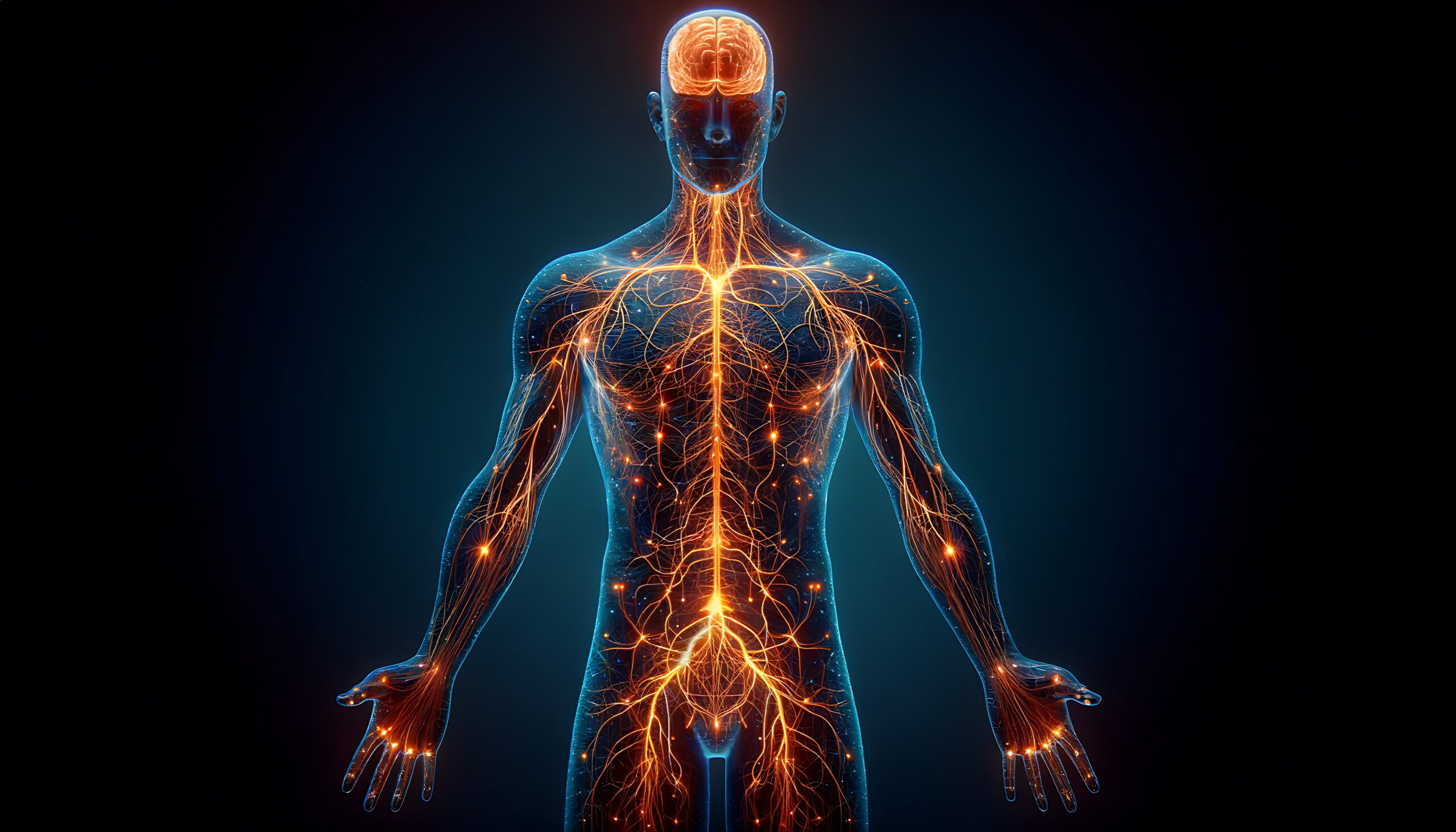
Even with tissue damage, your brain may not create the feeling of pain
The Paradox of Pain
It means that the pain you feel does not always reflect the severity or even the location of your problem – if there is a problem at all. Science has shown beyond a doubt that pain is created in the brain. Our brains create for us the experience of pain to let us know that something is not ok.
Neural Plasticity
For some people pain can persist even after an initial injury has healed. For these people the pain has become non-informative and non-helpful. The pain itself has then become a problem. The brain has learnt to be in pain. The way the brain does this is very similar to the way the brain learns anything else. It’s called neural plasticity – or brain adaptations.
The Feeling of Pain
Did you know that scientists now know the feeling of pain is something your brain decides you should experience if it believes there is some tissue damage in your body? 1 In fact, your brain can decide that you should feel pain even if it only thinks there is a potential threat of damage! 2-5

It may seem strange, but it’s totally up to your brain to decide whether you should feel pain or not. Your brain may decide you should experience pain even if you have no actual tissue damage yet,6 or your brain may not create the feeling of pain for you when tissue damage has actually occurred! 7 8
This is called the “pain paradox”. It means that the pain you feel does not always reflect the severity or even the location of your problem – if there is a problem at all. Science has shown beyond a doubt that pain is created in your brain! 2 4 9 10
Sometimes pain can be very helpful and informative.1 Our brains create the experience of pain to let us know something is not ok.1 Maybe we are overexerting ourselves, or maybe we have had an injury that we need to be careful with to allow our body to heal. The pain can let us know what not to do while our body heals the problem.1 This pain is helpful and informative.1
If we listen to our body these pain experiences can be a good thing. But for some people, pain can persist even after the initial injury that caused it has healed.9 11 12 And for some people, the pain can spread to other areas that are not injured at all.6 For these people, the pain has become non-informative and non-helpful.9 11 12 The pain itself has become a problem. The brain has learnt to be in pain.9 11 12
The way the brain does this is very similar to the way the brain learns anything. It’s called neural plasticity – or brain adaptations.9 11 12 Brain scientists now know that what you focus on drives the way your brain will change.13-15 This can be a problem if you are focusing on your pain because it may make your pain worse. So, even if you’re in pain, try to focus on the good things in your life instead of your pain. Focus on what is working well. Focus on what makes you happy. This alone can help you!1
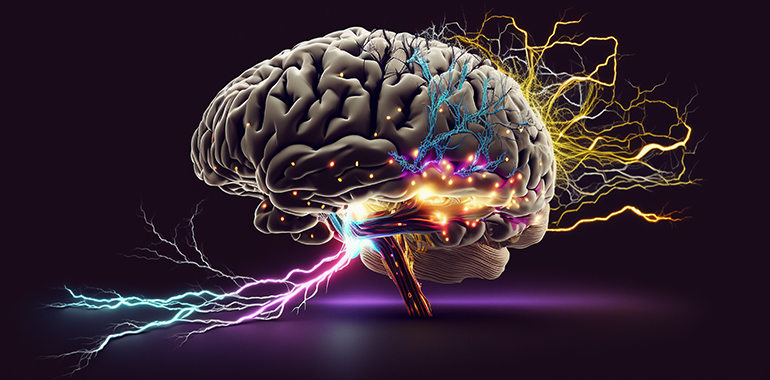
Brain scientists who have studied the effects of chiropractic spinal adjustments, have discovered that adjustments may change brain function.16
Chiropractic has a neuroplastic effect on the brain.16 In particular, adjustments change function in a part of your brain called the pre-frontal cortex.17 This part of your brain is actually the part of your brain that’s very involved in pain becoming chronic.8 18-21 This might be why getting chiropractic care early on when you have a problem has better long-term outcomes.22 It might also be that chiropractic care can prevent pain from becoming chronic.22
Neuroscientists believe that chiropractic care most likely helps reduce your feeling of pain by helping your brain ‘turn down’ or ‘switch off ’ the perception of pain in your brain.23 This means chiropractors may or may not adjust your spine exactly where you feel that it hurts. They are looking for parts of your spine and/or body where there is a lack of proper movement and they will adjust you there – so don’t worry if it’s not where you feel the pain.
Pain is our Alarm System
When some of the parts of your brain get particular messages in a specific pattern, the brain decides for you to make you feel pain to warn you that something might not be right, that you may be in danger.
Chiropractic helps your brain know what is going on in the spine and body
Sympathetic and parasympathetic system
When your alert and danger (sympathetic) system is really active your heart beats faster, your brain mobilizes your bodies energy stores and you become more alert and vigilant and you even sweat more. When the alert and danger (sympathetic) system is more settled your calm & healing (parasympathetic) system takes over. This allows your brain and body to calm down, to heal tissue cells and to digest your food properly.
Prefrontal Cortex
Scientists have shown that chiropractic care changes the function in your prefrontal cortex – one of the brains orchestra conductors. This is also probably why chiropractic care helps people who are suffering with pain – by changing the pain music in the brain itself.
Break the Pain Cycle
For some people, pain can become a real problem, because it can persist even after an initial injury has healed. When this happens, we call it chronic pain. When you have chronic pain, your brain has learned to be in pain and you have entered a nasty pain cycle.
When you have chronic pain, your brain has learned to be in pain
The Prefrontal Cortex
The pre-frontal cortex is actually the part of your brain that is very involved in how we end up in this vicious chronic pain cycle. Research studies have shown that chiropractic care may ‘reset’ the way the brain processes pain information so that it does not learn to be in chronic pain.
Who sees a Chiropractor?
More and more people will see a chiropractor, but you may be surprised to know exactly why chiropractic care is becoming so much more popular. A recent study found that about 1 in 4 Americans have visited a chiropractor, and almost 20 million Americans see a chiropractor each year.
Chiropractic care helps improve your health and well-being
Why Chiropractic Care?
Although back and neck pain was the main specific health problem people gave for seeing a chiropractor, almost half of the chiropractic patients said they went for general wellness or disease prevention.
Benefits of Chiropractic Care
So why do so many people go to see a chiropractor?
It’s not just because they get a lot of help if they suffer from pain and other health problems. They go because they want to perform better on the sporting field or athletics track. They want to sleep better; they want to deal with stress better and to be better able to relax. They go because they want to improve their overall health and function at their best.
How often should you see your chiropractor?
When you first see your chiropractor, you may be among the many people who ask, “how often do I need to come?”. The answer that you may want to hear is once. But chiropractic care, like most things that are really good for us, rarely makes a long-term difference to your health and wellness after just one visit.
Seeing your chiropractor can be a little like going to the gym. It takes time, frequency and follow up to retrain the spine to function well.
Maintenance Care
One reason for having to see a chiropractor regularly is because it usually takes years for the problem to develop which motivates someone to first see a chiropractor and it can take many visits to the chiropractor to correct that problem.
Care Plans
When you go and see your chiropractor know that their recommendations for your plan of care are based on what their clinical experience tells them is best for you and that the research suggests more frequent adjustments have the biggest positive impact on your health and wellness.
Visiting a chiropractor
When you first see your chiropractor, you may be among the many people who ask, ‘how often do I need to come?’ Often the answer people want to hear is ‘once’ but chiropractic care, like most things that are really good for us, rarely makes a longterm difference to your health and wellness after just one visit.

One reason a single visit to your chiropractor may not make a long-term change is that it usually takes years for the problem to develop that motivates someone to first see a chiropractor and it can take many visits to the chiropractor to correct that problem.
Seeing your chiropractor can be a little like going to the gym. It takes time, frequency and follow up.
One way of looking at it is that it can be like the thousandth straw that breaks the camel’s back. A problem can build up day after day as you sit hunched over your desk, or bend and twist as you lift, or tense up as you deal with your daily stress and then one day, you bend to tie your shoelaces and all of a sudden something hurts! You can rest assured that tying your shoelaces isn’t what caused the problem, it’s simply the thousandth straw that broke the camel’s back (or was too much for your back) and that’s why you’re in pain.
There will usually be changes to the way the supporting muscles in your spine work that build up over time until your muscles can’t cope anymore and symptoms appear.1-2 So, seeing your chiropractor can be a little like going to the gym. It takes time, frequency, and follow up. Working with you to correct the problem and help your brain and the muscles in your spine communicate or ‘talk’ with each other again so you can regain the stability you need to function properly and resolve your aches and pains.3
But how long will this take and how often do you need to be checked by your chiropractor? Everybody is different, so your chiropractor will be guided by their clinical experience, and what your goals are when they recommend a care plan for you.
US Research Study
A new research study was recently published that suggests, in the early stages of chiropractic care, the more often you get adjusted, the better the results you enjoy, and this can also be better for you in the long term as well.4
In this study, that was conducted by scientists in America, they looked at 256 people who had chronic, regular headaches and divided them into groups who either received chiropractic care once a week, or twice a week, or three times a week, for up to six weeks, or they received no chiropractic care at all and instead were given light massages over the same 6-week period. Previous studies have shown that people with this kind of headache often respond well to chiropractic care.
The scientists in this study were most interested in how many visits per week to the chiropractor showed the best results. They looked at how many days a week a patient suffered from headaches at the end of the study and whether any changes in headache frequency between the groups were still there up to one year later. What they found was that the patients who were seen by their chiropractor most regularly, so up to three times a week, had fewer headaches than those who were seen once or twice a week, and they were much better than the patients who received no chiropractic care at all.
In fact, after one year, the patients that had been seen three times a week had over three fewer headaches per month compared to the patients who only received a light massage. So, these effects obviously lasted.
The more you get adjusted, the better the results that you will enjoy.

This study was done in people with chronic headaches, so we can’t be sure if the same differences occur in people with other problems who see a chiropractor. A similar study in patients with chronic low back pain did find that people who were adjusted more often had the best results, but the results weren’t as clear as the study done on patients with headaches.5
The studies suggest that seeing a chiropractor more often when you begin care has real, beneficial, long-term effects to the way your spine and nervous system works, but how much you benefit may depend on what’s wrong with your spine when you begin care.
So, when you go and see your chiropractor, know that their recommendations for your plan of care are based on what their clinical experience tells them is best for you, and that the research suggests more frequent adjustments has the biggest positive impact on your health and wellness.