
Content for Australia
To make it easier for you to use our resource library without getting into trouble with Australian National Law advertising guidelines, we have been working to identify which of our products are acceptable for external marketing in Australia (i.e., on your website, emails, and social media).
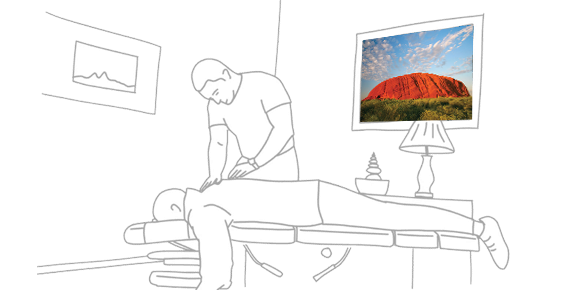
Video Animations
The following video animations are appropriate to use for external marketing in Australia.*
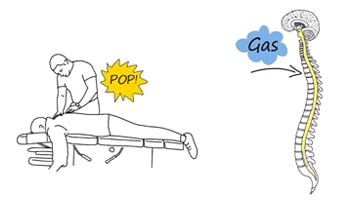
What is that Popping Sound?
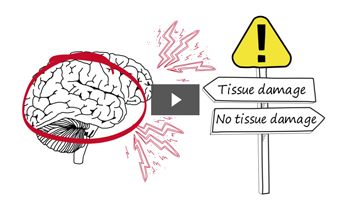
Understanding Chronic Pain
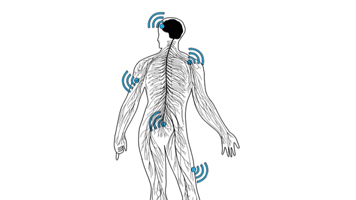
Pain is our Alarm System
Impact of Neck Pain
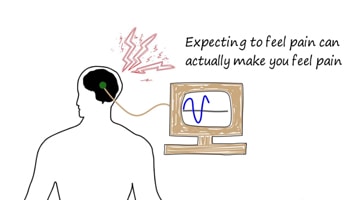
Stress, Pain & the Immune System
Chiropractic and Headaches
Chiropractic Research Articles

What is Chronic Pain?

Pain is Created in the Brain


Social Media Snippets
Shorter-length videos to share on your social media channels
Click on the Share icon on each video to select which option you prefer.
Pain is in the brain
Pain is Informative
Normal vs. Chronic Pain
Why are you feeling pain?
Chiropractors find the problem
Chronic pain
Process Undertaken to Make Our Materials as AHPRA Safe as Possible for Australian Chiropractors
Background
In 2019 we were contacted by Australian members who had received notifications from AHPRA regarding advertising breaches related to content on their websites. In at least two known cases, Haavik Research materials were referenced in those notifications.
Those members informed us immediately and we began reviewing the situation.
We attempted to contact AHPRA directly to clarify what specific issues they had with certain statements in our materials. AHPRA did not respond to our enquiries and would not review or provide guidance on our content. This meant we were required to interpret and respond to the situation without direct regulatory feedback.
Internal Review
We undertook a detailed review of our materials against:
- AHPRA advertising guidelines
- The Chiropractic Board of Australia statements on evidence based practice
- The NHMRC hierarchy of evidence
- Published guidance regarding acceptable advertising claims
We examined wording carefully, particularly:
- Language that could imply causation
- Extrapolation from basic science to clinical outcomes
- Absolute statements
- Preventative claims
- Referencing quality and recency
- Statements that could be interpreted as creating unreasonable expectations of benefit
Where language could reasonably be interpreted as absolute or causal, we modified or removed it.
Engagement with the Australian Chiropractors Association
We then engaged with the Australian Chiropractors Association and in particular their TER Committee, Tertiary Education and Research Committee.
The TER Committee generously reviewed our pain related materials in detail. They assessed wording, referencing, level of evidence, and potential regulatory concerns. Their review was thorough and conducted line by line.
It is important to state clearly that the ACA and the TER Committee do not endorse our materials. They have not approved them. Their role was advisory only. We remain fully responsible for the content of our materials.
We are grateful for the time and effort the TER Committee contributed to this process.
Amendments Made
Following receipt of detailed TER feedback:
- Statements implying prevention of chronicity were removed
- Some extrapolations from basic science to clinical outcomes were softened
- Certain documents were removed from the Australian “safe” category pending stronger clinical evidence
- Additional higher level references were added where appropriate
- Safety and stroke related references were updated with more recent systematic reviews
- Minor referencing inconsistencies were corrected
- Some sensitive paediatric references were removed from the Australian materials
In areas where the literature clearly supported the statements, particularly regarding neuroplastic mechanisms, pain modulation, and safety data, wording was retained where it could be defended under current high level evidence. Changes were made where they were considered reasonable and proportionate to regulatory risk.
Creation of a “Safe for External Marketing in Australia” Category
We created a clearly labelled category titled:
Safe for External Marketing in Australia
Materials placed in this category have:
- Undergone internal review against AHPRA advertising standards
- Been reviewed by the ACA TER Committee
- Been amended where appropriate
These materials are as safe as we can reasonably make them based on current guidelines and advice. However, AHPRA does not pre approve content and will not provide clearance or confirmation.
Responsibility
Ultimately, each chiropractor is responsible for ensuring their own compliance with AHPRA guidelines. Use of our materials does not transfer liability to Haavik Research. AHPRA may interpret material differently. Regulatory interpretation can evolve.
Each chiropractor must take responsibility for what they publish and be prepared to defend their use of any materials under the advertising guidelines. If there is uncertainty about a particular statement, it is the chiropractor’s responsibility to seek independent advice or choose not to use that material.
Ongoing Position
We stand fully behind the scientific integrity of our materials. They reflect contemporary neuroscience and peer reviewed literature. At the same time, advertising standards require a different level of caution than scientific discussion.
We have therefore taken all reasonable steps to reduce risk for Australian chiropractors while maintaining scientific accuracy. This process has included member notification, attempted engagement with AHPRA, internal review, ACA TER review, selective modification, removal of certain materials, and ongoing transparency.
We have done everything reasonably within our power to make these materials as AHPRA safe as possible. The final responsibility rests with the individual chiropractor.
Sincerely,

Heidi Haavik